How a General Dentist Evaluates Your Overall Oral Health

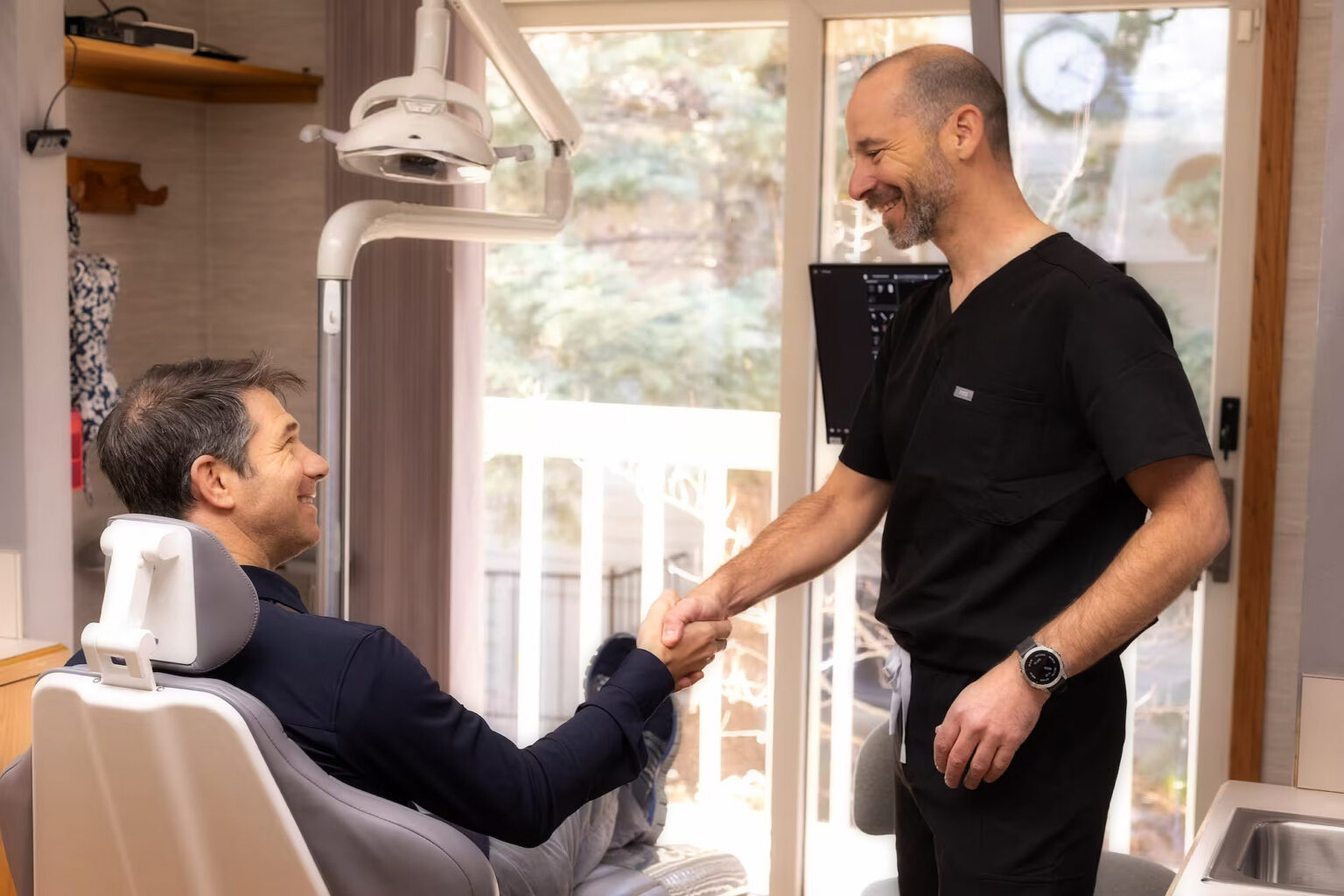
Most people book a dental visit because something feels obvious. A tooth hurts, a filling fell out, gums bleed when brushing, or it has simply been too long. What often surprises patients is how much a General Dentist can learn in a routine exam, even before a single X-ray appears on the screen. Oral health is not a narrow subject. It is a composite picture made up of teeth, gums, bone, saliva, bite function, soft tissue health, habits, medical history, and changes that develop slowly enough to escape notice at home.
A thorough dental evaluation is less about hunting for one problem and more about reading patterns. A chipped molar may point to nighttime grinding. Repeated cavities along the gumline may suggest dry mouth, recession, or a diet built around frequent acidic drinks. Inflamed gums may reflect plaque buildup, but they can also raise questions about diabetes control, smoking, medications, stress, or brushing technique. Good dentists learn to connect these details instead of treating each one as an isolated event.
That broader view matters because many oral problems do not begin with pain. Early gum disease is often painless. A cavity between teeth can grow quietly for months. Oral cancer screening depends on visual and tactile changes that patients usually cannot detect on their own. Bite wear can progress slowly until teeth shorten, crack, or become temperature sensitive. A careful exam gives those subtle changes a chance to be found when treatment is simpler, less invasive, and less expensive.
The appointment begins before the exam chair reclines
A General Dentist starts evaluating your oral health long before looking at a tooth. The medical history form is not administrative clutter. It is part of the diagnostic process. Conditions such as diabetes, autoimmune disease, acid reflux, osteoporosis, sleep apnea, and eating disorders can all affect what is happening in the mouth. So can medications. Antidepressants, antihistamines, blood pressure drugs, and many others can reduce saliva flow, which raises cavity risk and can make tissues more fragile or uncomfortable.
Even a short conversation during the first few minutes can reveal useful clues. If a patient mentions jaw tightness on waking, headaches near the temples, or a partner hearing grinding at night, the dentist begins thinking about clenching and bruxism. If someone says cold water suddenly hurts on one side, that narrows attention toward cracked enamel, recession, decay, or a failing restoration. If they say floss always shreds in one spot, there may be a rough filling edge, tartar buildup, or decay between the teeth.
Experienced dentists also watch for practical details that patients rarely notice. Dry, cracked lips may suggest mouth breathing or dehydration. A strong acidic odor can sometimes align with reflux or poor oral hygiene. Speech patterns can hint at missing teeth, ill-fitting dentures, or tongue restrictions. None of these observations is a diagnosis by itself, but each adds context.
The mouth is evaluated as a system, not a row of separate teeth
A common misconception is that a dental exam is mostly about counting cavities. Cavities matter, of course, but the real work is broader. A General Dentist is trying to understand how all the oral structures are functioning together. Teeth are checked for decay, fractures, wear, mobility, old fillings, crown margins, and signs of nerve inflammation. Gums are assessed for redness, swelling, bleeding, recession, and the depth of the pockets around each tooth. Bone levels are inferred from probing and imaging. The tongue, cheeks, palate, floor of mouth, and throat area are inspected for tissue changes.
The bite deserves special attention because function often explains damage that would otherwise seem random. When upper and lower teeth meet unevenly, certain areas absorb more force than they were designed to handle. That can lead to flattened chewing surfaces, craze lines, abfraction lesions near the gumline, or repeated breakage of fillings and crowns. I have seen patients replace the same restoration more than once before anyone addressed the clenching pattern or heavy contact that caused the failure in the first place.
Saliva is another underappreciated part of the evaluation. Healthy saliva buffers acids, helps remineralize enamel, lubricates tissues, and limits bacterial overgrowth. When saliva is reduced, decay can accelerate dramatically. A patient with normal brushing habits can go from almost no cavity history to multiple new areas of decay in a relatively short period after starting a drying medication or undergoing cancer treatment. That shift is not a mystery if the dentist is evaluating the whole environment of the mouth.
What the visual exam can reveal
The visual exam is more informative than many patients realize. Under bright light, with mirrors and magnification, a dentist looks for color changes, texture changes, contour defects, and patterns of plaque accumulation. White spot lesions can signal early enamel demineralization before a full cavity forms. Brown or shadowed areas around old fillings may suggest recurrent decay, but they can also reflect stain or underlying material, so judgment matters. Not every dark line means a drill is needed.
The gums tell their own story. Healthy gums usually look firm and adapt closely around the teeth. Inflamed gums often appear puffier, redder, and more prone to bleeding. The location of inflammation matters. When irritation is generalized, plaque control may be the main issue. When it is concentrated around a specific tooth, the cause may be a defective restoration, General Dentist trapped food, calculus below the gumline, or a crack extending into the root area.
Soft tissue screening is one of the most valuable parts of the visit and one of the least appreciated until something abnormal is found. The dentist checks the lips, cheeks, tongue, floor of mouth, palate, and throat-adjacent tissues for ulcers, white patches, red patches, lumps, or areas that feel firmer than the surrounding tissue. Most irregularities turn out to be harmless irritation, friction, or benign lesions. Still, the discipline lies in not guessing casually. If an area looks suspicious or fails to heal, it may need closer monitoring, referral, or biopsy.
Periodontal probing, and why those numbers matter
When the hygienist or dentist measures around the gums with a periodontal probe, patients often hear a string of numbers without knowing what they mean. Those measurements help determine the health of the tissues that support the teeth. Shallow, stable measurements are generally reassuring. Deeper pockets, especially when paired with bleeding, tartar, or bone loss on X-rays, can indicate periodontal disease.
This matters because gum disease is not simply a cosmetic issue. As periodontal breakdown progresses, the ligament and bone holding the teeth can be damaged. Teeth may loosen, spaces can open, breath may worsen, and chewing can become less stable. The process is often chronic and surprisingly quiet. I have met patients who were convinced they had "good teeth" because nothing hurt, even while several molars had significant bone loss. The absence of pain can be misleading.
A General Dentist evaluates not just pocket depth, but the pattern. Are deep areas isolated to the back teeth where cleaning is difficult? Are they clustered around crowns that trap plaque? Is recession exposing the roots, making the teeth look longer and more sensitive? These details shape the treatment plan. Some patients mainly need better home care and routine maintenance. Others need scaling below the gumline, localized antimicrobial therapy, or coordinated periodontal care with a specialist.
X-rays fill in what eyes cannot see
A visual exam alone cannot show everything. X-rays reveal the hidden structure of the teeth and supporting bone. They help detect cavities between teeth, infections at the root tips, bone loss around teeth, impacted teeth, cyst-like changes, and issues beneath crowns or fillings. They also help evaluate whether a tooth that looks intact on the surface has deeper internal trouble.
Dental imaging is particularly useful in situations where symptoms and appearance do not line up neatly. A tooth can look fine clinically and still show a large cavity between contact points. A patient may report a vague pressure sensation, and the X-ray may reveal a failing root canal, widening around the ligament space, or cracked tooth patterns that make more sense in context. On the other hand, some areas that appear suspicious in the mirror turn out to be stable once the image is reviewed. Good diagnosis often depends on comparing what is seen directly with what is seen radiographically.
Frequency matters too. A General Dentist does not order X-rays by a single rigid schedule for everyone. Risk level matters. Someone with a history of frequent decay, dry mouth, extensive restorations, or active gum disease may need images more often than someone with low cavity risk and consistently healthy exams. That tailored approach is part of evaluating overall oral health responsibly.
Bite, jaw function, and signs of strain
Teeth do not exist in isolation from the jaw joints and muscles. A complete oral health evaluation includes how you open, close, chew, and rest your jaw. Dentists look for clicking, limited opening, deviation, muscle tenderness, and wear patterns that suggest excessive force. The edges of the front teeth, the cusps of the molars, and the notches near the gumline often reveal habits long before patients recognize them.
Bruxism is a common example. Some people grind loudly at night. Others clench silently during work, driving, or exercise. The damage can show up as enamel wear, fractured cusps, cracked fillings, soreness in the jaw muscles, and sensitivity that seems to move from one tooth to another. If the evaluation stops at the symptom and misses the force pattern, treatment may fail. A new filling on a heavily loaded tooth can break again if the underlying stress remains.
Jaw assessment also includes questions that seem only loosely dental at first. Do you wake with stiffness? Do you chew on one side? Have you had recent dental work after which your bite felt "high"? Do you have a history of trauma, even years ago? These details can clarify whether the problem is tooth-based, muscle-based, joint-related, or some combination.
Old dental work deserves careful review
Many adults have a mix of fillings, crowns, bonding, implants, bridges, or root canal-treated teeth. A skilled General Dentist does not merely note that these restorations exist. They evaluate how well each one is aging. Margins can leak. Porcelain can chip. Contacts can loosen and trap food. Bite forces can shift after a tooth is restored, placing stress elsewhere.
This is an area where lived clinical judgment matters. Not every old filling needs replacement, and not every tiny imperfection is urgent. The key question is whether a restoration is stable, sealed, functional, and cleansable. A crown that has served well for 15 years may still be excellent. Another may look acceptable to the patient but hide recurrent decay at the edge. Sometimes the biggest decision is whether to monitor an area conservatively or intervene before a small defect becomes a cracked tooth or infection.
Patients often appreciate plain language here. Hearing "you need six new fillings" without context can feel abrupt. A stronger explanation would connect the findings to real function: the margin on a filling has opened, bacteria can collect there, the X-ray shows early decay beneath it, and replacing it now is simpler than waiting until the tooth fractures or the nerve becomes involved.
Risk assessment is where experience shows
Two patients can present with the same small cavity and need very different conversations. One may have low overall risk, excellent home care, normal saliva flow, and no recent history of new decay. The other may have multiple recent cavities, dry mouth, frequent snacking, recession, and limited access to routine care. The treatment may look similar on paper, but the long-term strategy is not.
A General Dentist is always making risk assessments, whether explicitly or quietly in the background. That includes cavity risk, gum disease risk, oral cancer risk, fracture risk, and risk of treatment failure if habits or health conditions remain unchanged. It is one thing to restore a tooth. It is another to ask why that tooth failed in the first place and what needs to change to protect the rest of the mouth.
The most useful evaluations usually include a few practical questions:
- What problems are active right now?
- What areas are stable but should be watched?
- What factors are increasing your future risk?
- What changes would make the biggest difference over the next year?
That framework turns the exam into something more valuable than a checklist. It helps patients understand urgency, timing, and where their effort matters most.
Home care habits are assessed without guesswork
Most patients expect the standard question, "Are you brushing and flossing?" A better oral health evaluation goes further. Technique matters more than a yes or no answer. Brushing twice daily with heavy force can still cause gum recession and abrasion. Flossing occasionally but effectively in the right trouble spots may be more valuable than daily flossing done too quickly to disrupt plaque. Electric toothbrushes help many patients, but only if used consistently and with the right brush head placement.
Diet is part of this conversation too. Frequency often matters more than quantity. Sipping a sweetened coffee over two hours can be harder on teeth than eating dessert with dinner and rinsing after. Sports drinks, flavored sparkling water, dried fruit, and constant grazing all have patterns dentists learn to recognize. So do whitening products used too aggressively, charcoal pastes that abrade surfaces, and home remedies circulating online that sound harmless but irritate tissue or erode enamel.
A dentist may also evaluate oral health by what is absent. If someone has very little plaque and still develops decay, the issue may be saliva or diet rather than brushing. If another person has heavy tartar buildup despite saying they brush often, technique and timing become more important than claimed frequency. Good care recommendations come from these nuances, not assumptions.
The connection to overall health is real, but it should be discussed carefully
Dentistry sometimes gets reduced to alarming headlines about how "everything in the body starts in the mouth." The truth is more measured. Oral health does reflect and interact with broader health, but it is not a magic diagnostic window for every systemic disease. A responsible General Dentist stays within what the exam can reasonably suggest.
There are still meaningful links. Poorly controlled diabetes can worsen periodontal inflammation and healing. Dry mouth from medication can sharply increase decay. Acid reflux can erode enamel, especially on specific tooth surfaces. Nutritional deficiencies may show through tissue changes, burning mouth symptoms, or delayed healing. Tobacco and alcohol use raise concern during oral cancer screening. Pregnancy can influence gum inflammation and, in some patients, cavity risk if nausea and dietary patterns shift.
The value of the dental exam lies partly in spotting patterns that justify follow-up. A dentist may be the first clinician to notice severe dry mouth, unusual tissue changes, or wear consistent with chronic acid exposure. That does not mean the mouth gives a full medical diagnosis. It means a careful oral evaluation can prompt the right questions at the right time.
What patients should take away from the visit
A strong exam ends with more than a treatment quote. Patients should leave understanding the current state of their oral health, where the priorities are, and what can wait. They should know whether the main issue is decay, gum disease, bite stress, failing dental work, soft tissue monitoring, or prevention. They should also understand what role they play at home.
The clearest recommendations are specific. "Brush better" is weak guidance. "Angle the bristles toward the gumline on the lower left molars, use a fluoride toothpaste before bed, and clean between those back contacts nightly because that is where you are trapping plaque" is useful. "You keep breaking this filling because you clench heavily at night, so a night guard matters as much as the repair" is useful. "This white patch may be frictional, but if it has not improved in two weeks we need to reassess" is useful.
For many people, the most important part of seeing a General Dentist is not finding dramatic disease. It is establishing a baseline and catching slow changes early. Small cavities are easier to treat than deep ones. Gingivitis is easier to reverse than advanced periodontitis. Minor wear is easier to manage than widespread fractures. A routine exam creates continuity, and continuity is what allows subtle changes to stand out.
Why a comprehensive evaluation often feels simple from the patient side
When dentistry is done well, the process can feel deceptively straightforward. You sit down, answer questions, open wide, and hear a summary. Behind that simplicity is a layered assessment built from history, visual findings, periodontal measurements, imaging, function, restorations, risk factors, and professional judgment. It is not theatrical, and it does not need to be. The best evaluations are often quiet, methodical, and precise.
That is the real role of a General Dentist in preventive care. Not just to fill what is already broken, but to interpret the condition of the mouth as a living system, identify what is changing, and guide the patient before those changes become harder to reverse. When patients understand that, a routine dental exam stops feeling routine. It becomes one of the most practical health checkups they receive all year.
Aspenwood Dental Associates and Colorado Dental Implant Center
2900 S Peoria St Ste C, Aurora, CO 80014, United States
+1 303-731-4037
FAQ About General Dentist
How long do teeth fillings last in Aurora, CO?
Fillings can last for years, but they are not lifetime restorations. Their durability depends on the material, the size and location of the filling, chewing forces, and oral hygiene. A general dentist can examine a filling for wear, damage, or new decay and explain whether monitoring, repair, or replacement is appropriate. Age alone does not establish that a filling needs replacement.
How Can I Reduce Dental Anxiety?
Tell the dental team about your concerns when booking and again at your visit. Ask for an explanation of each step, agree on a signal for breaks, and consider slow breathing or headphones if the practice permits them. Discuss pain control and any sedation options with the dentist; suitability depends on your health, medicines, and planned treatment.
When should your child first see a dentist in Aurora?
Arrange the first dental visit within six months after the first tooth appears and no later than the first birthday. Early visits allow the dentist to assess development and discuss brushing, fluoride, feeding habits, and cavity prevention. Ask the practice whether it sees infants and how it handles referrals when a child needs specialist care.
Ends · ERICKCRBX240